Why the 10x10 footprint sets the tone in Orlando
The 10x10 is the entry inline space, roughly 100 square feet of single-aisle frontage with one open side. Most first-time and repeat exhibitors at the Orange County Convention Center book this footprint, so the real question is not whether it is big enough but whether the booth, freight, and labor plan match the show schedule.
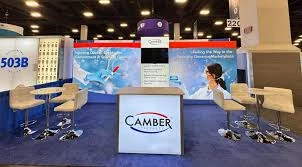
At about 100 square feet, every choice is visible. Counter placement, backwall graphics, lighting, and storage all compete for the same compact area, which is why a clear plan beats a crowded one on a 10x10.
Working a 10x10 inside the Orange County Convention Center
The OCCC carries 2.1 million square feet of exhibit space across its North-South and West buildings, with three covered loading docks and 173 truck bays feeding the halls. A single 10x10 rides in on that same freight system, so material handling, target move-in times, and aisle access still apply to a one-booth order.
Because the building is so large, the practical risk for a 10x10 is not the booth itself but the walk-in and wait time at marshaling. Shipping a tidy, well-labeled crate or case keeps drayage simple and gets the booth set without burning the install window.
Graphics, lighting, and storage on a compact stand
On a 10x10, the backwall does most of the brand work. A tension-fabric or hard-panel backwall with clean, high-contrast graphics reads better from the aisle than a busy layout, and arm lights or a backlit panel lift the booth without crowding it.
Storage is the quiet problem on a 10x10. A small closet, a counter with a locking door, or a few cases stacked behind the backwall usually covers literature, giveaways, and personal items, so the open floor stays available for conversations.
- One open aisle side, so frontage and sightlines come first.
- Backwall graphics carry the brand; keep messaging short and legible.
- Plan lockable storage early so the floor stays clear for visitors.
- Ship a single labeled crate or case to keep OCCC drayage clean.
Labor and the show manual
Florida is a right-to-work state, so Orlando generally runs an open-market labor environment rather than venue-wide union exclusivity. A 10x10 is often self-install or a short labor call, but the show manual still governs what crews, tools, and move-in windows the organizer allows.
The cleaner move is to confirm the EAC rules, the target freight time, and the hall assignment before the truck leaves, so a small booth never gets stuck behind a larger neighbor's install.
When to size up from a 10x10
A 10x10 is the right call when the goal is presence, lead capture, and a few good conversations rather than product demos or private meetings. If the team needs a counter, a demo station, and seating at once, a 10x20 usually relieves the pressure.
If the booth is part of a multi-show program, locking the 10x10 components into a reusable, modular kit keeps each Orlando appearance fast to install and easy to ship to the next city.